
Installing Electric Vehicle Charging at Your Commerical Property
Installing an electric vehicle (EV) charger at your commerical property is a smart move for any business or industrial plant looking to support sustainable transportation. It saves time, cuts costs, and boosts efficiency. We have seen firsthand how a well-planned EV charging setup can transform operations and improve convenience. This guide walks you through the essentials of installing an EV charger at your facility, with clear steps and practical advice.
EV Charging Setup Guide: What You Need to Know
Setting up an EV charger at home or your business site starts with understanding your power needs and the types of chargers available. There are three main levels of EV chargers:
Level 1: Uses a standard 120V outlet. Slow charging, best for overnight or emergency use.
Level 2: Requires a 240V outlet. Faster charging, ideal for daily use at commercial or industrial locations.
DC Fast Charging: High voltage direct current, used mostly in public or commercial fast-charging stations.
For most industrial plants and commercial businesses, Level 2 chargers strike the right balance between speed and cost. They can fully charge most EVs in a few hours, making them perfect for employee or fleet vehicles.
Before installation, assess your electrical panel capacity. You may need an upgrade to handle the additional load. This is a critical step to ensure safety and efficiency. Also, consider the location of the charger. It should be easily accessible, protected from weather, and close to your electrical panel to minimize wiring costs.

Choosing the Right Equipment and Location
Selecting the right EV charger depends on your specific needs. For industrial and commercial settings, durability and reliability are key. Look for chargers with:
Weatherproof ratings for outdoor use
Smart features like remote monitoring and scheduling
Compatibility with multiple EV models
The installation site should have enough space for vehicles to park and charge safely. Lighting and security cameras are good additions to protect your investment.
When planning the layout, think about future expansion. Installing conduit and wiring that can support additional chargers later saves time and money down the road.
Can Any Electrician Install an EV Charger?
Not all electricians have the expertise to install EV chargers properly. It requires specialized knowledge of electrical codes, safety standards, and EV technology. Hiring a qualified professional ensures your installation meets all regulations and operates safely.
We recommend working with an experienced electrical contractor who understands the unique demands of EV charging. They can perform a thorough site assessment, recommend the best equipment, and handle permits and inspections.
For example, M&T Electric offers expert electric vehicle charging installation services. Their team is skilled in delivering reliable, code-compliant installations tailored to industrial and commercial clients.

Step-by-Step Installation Process
Here’s a straightforward overview of the installation process:
Site Assessment: Evaluate electrical capacity, location, and safety requirements.
Permitting: Obtain necessary permits from local authorities.
Electrical Panel Upgrade (if needed): Increase capacity to handle the charger load.
Wiring and Mounting: Run conduit and wiring from the panel to the charger location.
Charger Installation: Mount and connect the charger unit.
Testing and Inspection: Verify proper operation and pass inspections.
User Training: Provide instructions for safe and efficient use.
Each step is crucial. Skipping any can lead to safety hazards or costly repairs later. Always prioritize quality and compliance.
Benefits of Installing EV Chargers at Your Facility
Installing EV chargers at your industrial or commercial site offers many advantages:
Convenience: Employees and fleet vehicles can charge on-site, reducing downtime.
Cost Savings: Lower fuel and maintenance costs compared to gasoline vehicles.
Sustainability: Supports green initiatives and reduces carbon footprint.
Attractiveness: Enhances your business image and appeals to eco-conscious clients and employees.
Future-Proofing: Prepares your facility for the growing number of EVs on the road.
These benefits make the investment worthwhile. Plus, many regions offer incentives or rebates to offset installation costs.
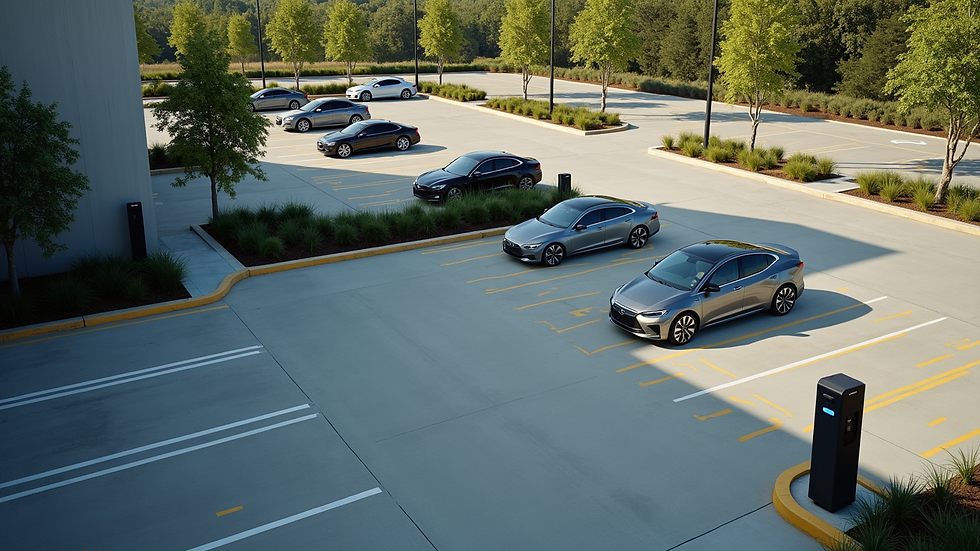
Planning for the Future of EV Charging
EV technology is evolving rapidly. To stay ahead, plan your charging infrastructure with scalability in mind. Consider:
Installing extra conduit and wiring capacity
Choosing chargers with software updates and smart features
Monitoring energy usage to optimize costs
Integrating renewable energy sources like solar panels
By thinking long-term, you ensure your investment continues to deliver value as EV adoption grows.
Installing an EV charger at your facility is a smart, forward-thinking decision. It improves efficiency, supports sustainability, and positions your business as a leader in innovation. For expert guidance and professional service, consider partnering with trusted contractors like M&T Electric who specialize in electric vehicle charging installation. Take the first step today and power your future with confidence.


Comments